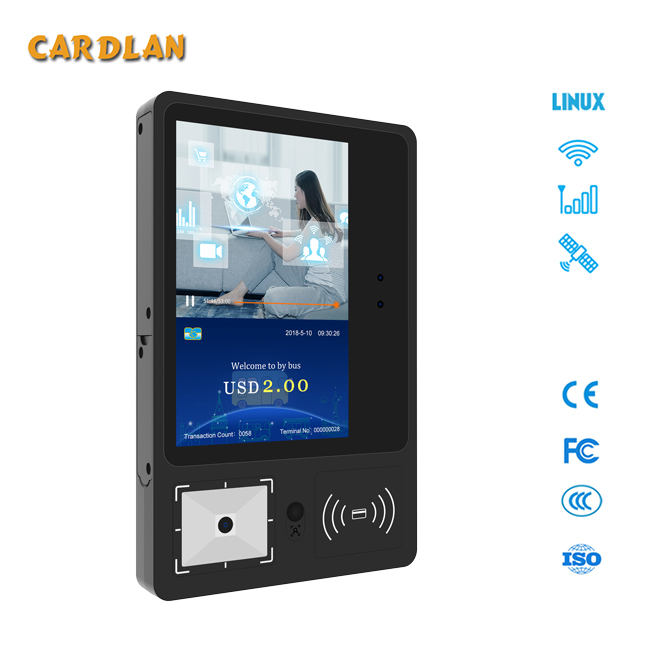
Functional Role and Primary Users of the Smart Card Reader
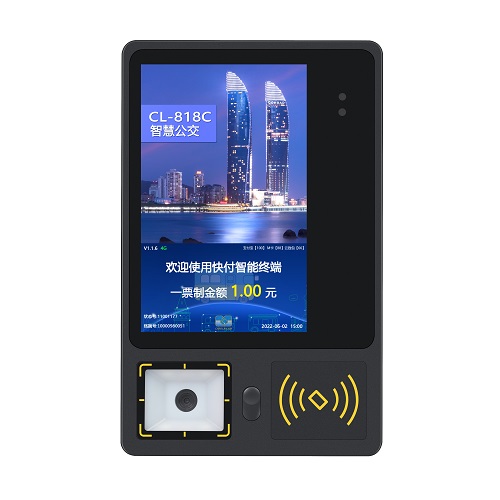
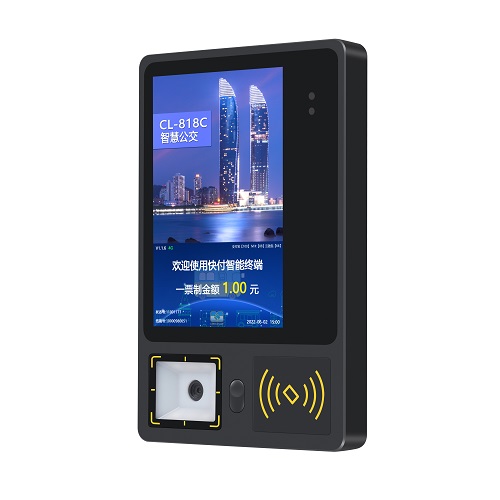
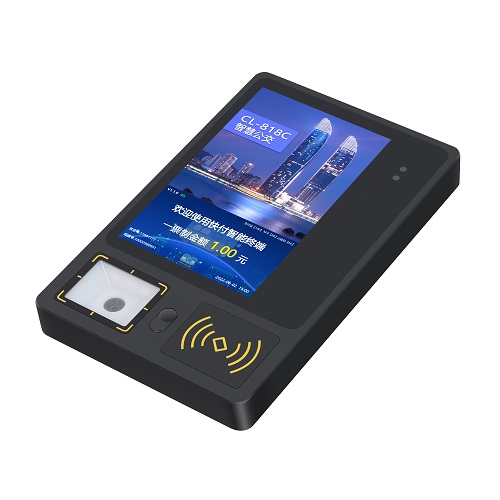
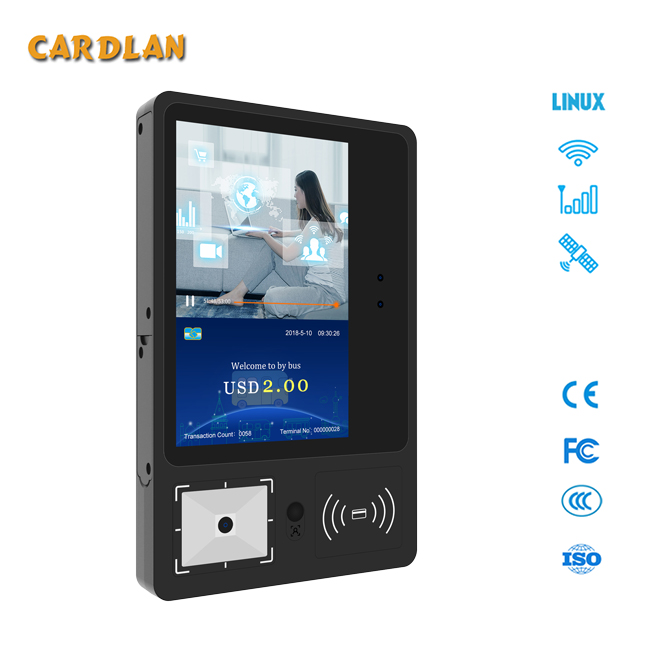
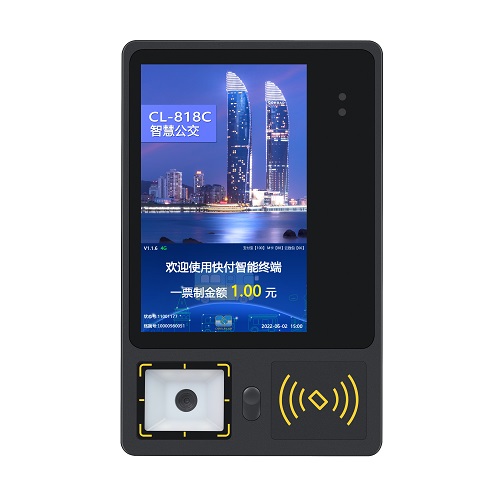
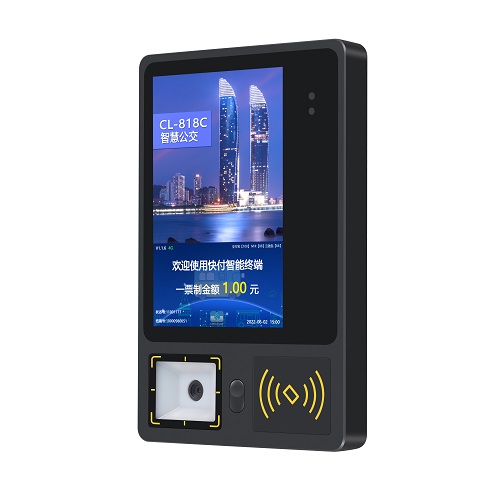
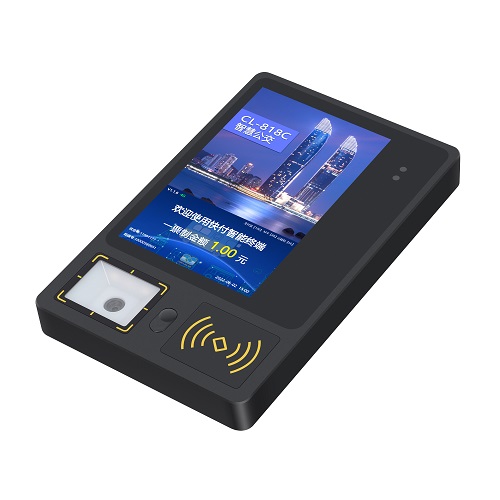
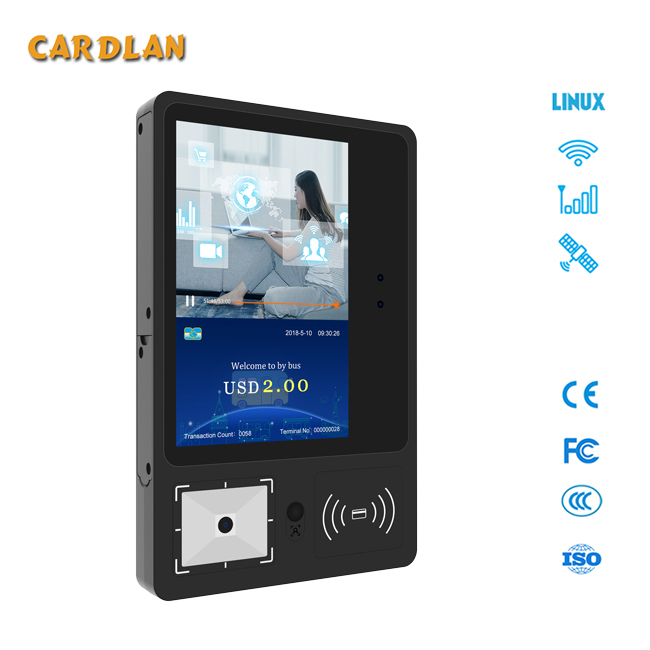
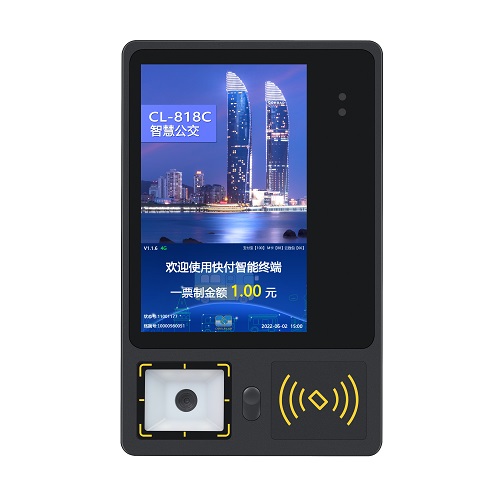
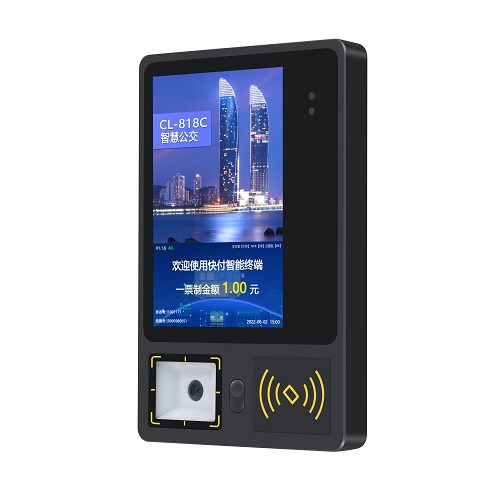
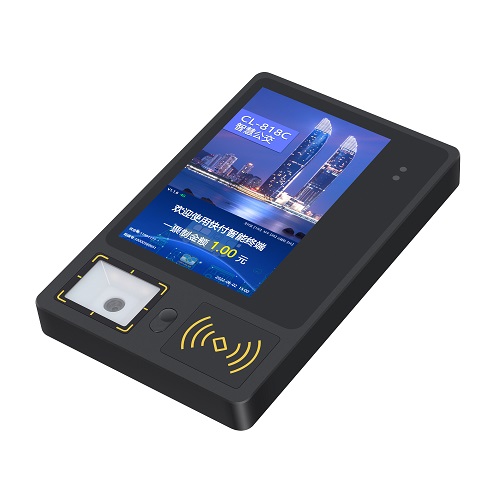
Designed to optimize fare collection systems, the Cardlan Smart ticket validator functions as an integral ticket terminal for transit agencies and operators managing urban and intercity bus fleets. Its main user base includes public transportation authorities and service providers requiring seamless, cashless payment processing. The device’s compatibility with multiple RFID standards allows it to read various card formats, serving passengers with different card types. This card reader addresses the need for streamlined boarding procedures by validating electronic tickets swiftly, reducing dwell time, and enhancing throughput at points of entry. Moreover, its multi-prompt voice guidance assists diverse user groups, including the elderly and tourists, improving operational compliance and passenger satisfaction.
Technical Architecture and Key Specifications Define Performance
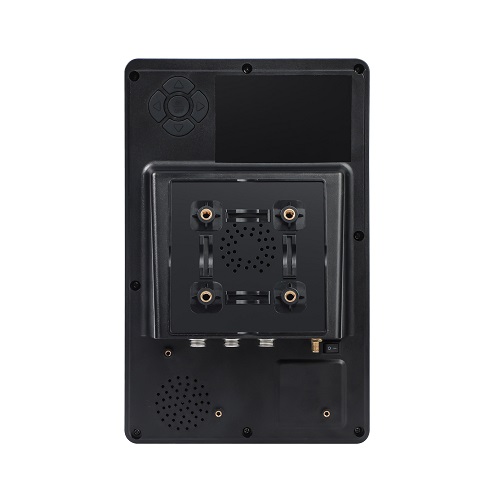
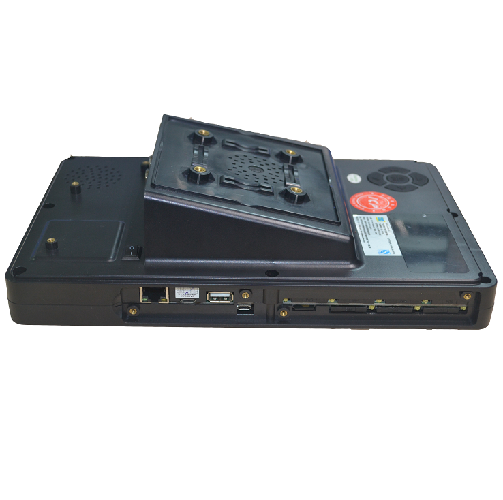
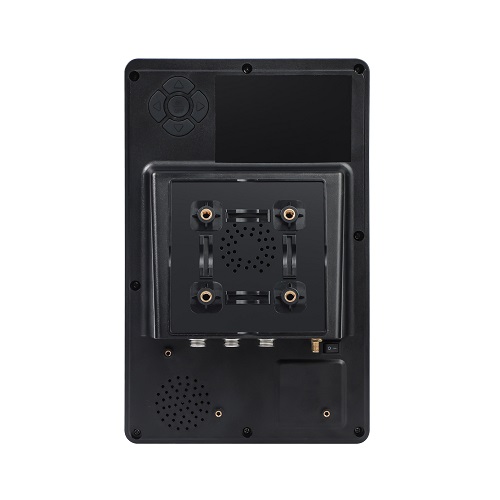
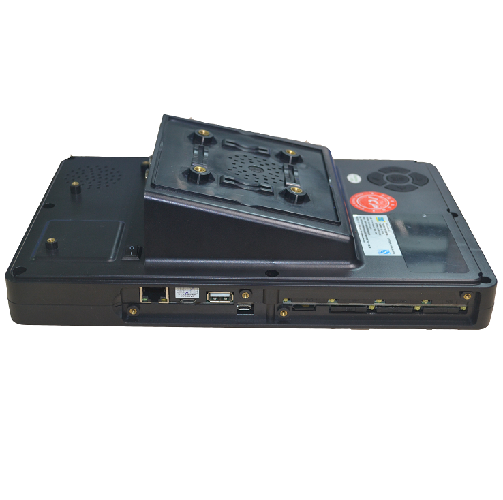
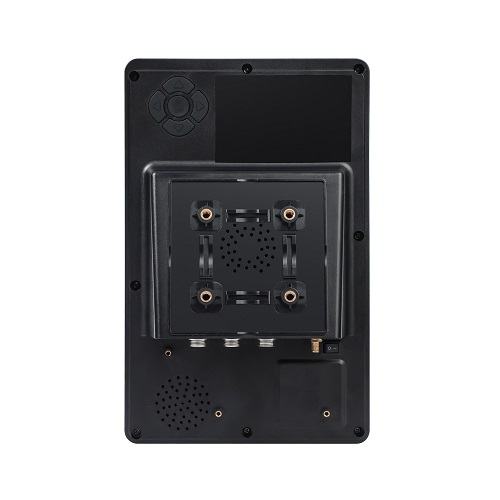
The Cardlan Smart ticket validator integrates a quad-core Cortex-A9 CPU running Android OS, facilitating efficient multitasking and communication processes essential for reliable fare validation. Its advanced smart card reader supports ISO-14443 Type A/B RFID cards, including MiFare Classic and Desfire, with a reading range up to 50 mm. The device incorporates GPS and optional Beidou positioning modules for precise location tracking, critical for route auditing and security compliance. Network connectivity is versatile, supporting GPRS, WiFi, and cellular 2G/3G/4G standards for continuous real-time data exchange with central management servers. High-capacity storage and multiple interface options (USB-HOST, HDMI, RS485) enable integration with comprehensive ticketing ecosystems and external peripherals like POS printers, ensuring scalable and flexible deployment.
Industry Deployment and Operational Advantages Within Transit Ecosystems
The Cardlan ticket validator offers measurable improvements in public transportation fare management, addressing the operational challenges of crowded boarding environments and cash handling risks. Widely adopted in bus rapid transit, scenic park admissions, employee shuttles, and school bus systems, it enables operators to remotely monitor transactions and device status through server integration. This solution supports compliance with regulatory requirements by generating accurate, timestamped usage data and provides passenger convenience with functions like balance inquiry and voice alerts for low balance or system errors. Its integration with backend systems facilitates analytics and maintenance, thus improving fare enforcement, reducing fraud, and enhancing ROI for transit authorities.
Product Advantages
Modular System Design and Engineering Integration Strengths
The Cardlan Smart ticket terminal features a robust housing made from engineering plastics that withstands extreme temperature and humidity ranges (-25°C to 65°C operating). Its modular design allows for easy mounting and connection with existing transit infrastructures. Multiple communication protocols such as USB-OTG, RS485, and TTL-232 enable seamless interfacing with various onboard systems and external ticket printers. The inclusion of GPS and Beidou positioning modules accommodates diverse regional requirements and enhances fleet location tracking. Voice prompt customization with up to 15 preset messages facilitates clear user communication across different languages and settings. These structural and system design elements collectively ensure the device’s adaptability to multiple transportation environments and regulatory standards.
Superior Operational Performance and Enhanced User Experience
This smart card reader offers rapid RFID recognition with low latency, critical for minimizing passenger queuing times during peak hours. The device supports up to 5 million cards and millions of stored transaction records, enabling long-term data retention necessary for audit trails and revenue assurance. Its real-time data transmission capabilities allow operators to remotely update blacklists and system configurations, reducing downtime and maintenance costs. The user interface integrates an 8-inch high-definition display and intuitive voice prompts to facilitate clear end-user guidance. Lightweight and energy-efficient, the unit consumes less than 10W, contributing to sustainable operation within transit fleets. Collectively, these performance facets strengthen fare management accuracy and improve system reliability in daily use.
1. Application
CL-A0618 smart bus validator can support RFID card, with GPS positioning module, support GPRS, WIFI wireless communication etc. Can be used for electronic payment or card validation in following field:
l Public transport fare collection
l Scenic spots/amusement park card payment
l Balance inquiry
l Employee shuttle bus card validation
l Safety school bus system
2. Functional features
l Support wireless communication, remote connect to server management software to realize real time time-revision, black-list downloading and data collection etc.
l Support data real time uploading or USB local data collection
l Support live voice prompts, supports 15 kinds of voice prompts: such as "student card", "employee card"
l Support consumption details and statistics query, according to card No., time, operator No., etc.
Parameter
|
Name:
|
Smart Bus Validator
|
|
Operating System:
|
Android5.1
|
|
CPU:
|
Quad-core cortex-a9 main frequency 1.4GHz、integrated GPU Mali-400 MP4
|
|
RAM:
|
DDR3 1G(default)
|
|
Data storage:
|
eMMC 16G(default)、Max support 64G TF card
|
|
Storage
|
|
|
Data Capacity:
|
more than 2 million detailed data for console storage, unlimited data with 4G connection
|
|
Blacklist:
|
2 hundred million,more with TF card
|
|
Working Environment
|
|
Working Temperature:
|
-25℃~65℃
|
|
Storage Temperature:
|
-40℃~85℃
|
|
Working Humidity:
|
0-90%(non-condensing)
|
|
Physical Parameter
|
|
Dimension:
|
270x169x72mm
|
|
Housing material:
|
Engineering plastics
|
|
LCD display
|
|
Display:
|
8 inch TFT-LCD, 1280*800
|
|
Indicator light:
|
Red and green
|
|
Camera
|
|
Scanning:
|
Wide angel/QR /customized
|
|
Distance:
|
3CM -15CM
|
|
Voice Prompt
|
|
|
Sound Prompt:
|
Buzzer、Single channel loudspeaker
|
|
Voice Prompt:
|
16KHz,16bit single channel voice prompt
|
|
Power Supply Specification
|
|
Working Voltage:
|
DC 8V-50V
|
|
RFID
|
|
Support standard:
|
ISO-14443 Type A/B
|
|
Reading Distance:
|
0~50mm
|
|
Working Frequency:
|
13.56Mhz
|
|
Card Capacity:
|
5 million pcs
|
|
Card Type:
|
MiFare Classic, MiFare Desfire, support CPU card
|
|
Interface
|
|
|
Communication Interface:
|
USB-HOST、USB-OTG、HDMI、RS485 and TTL-232 optional
|
|
Multi screen interface
|
|
|
Printing
|
|
|
Printing module:
|
Support external POS58printer (need 5pinaviation plug turn DB9 cable)
|
|
Paper Width:
|
58mm
|
|
Positioning Function
|
|
Position way:
|
GPS、beidou (optional)
|
|
Working Mode
|
|
|
Working Mode:
|
Stand-alone or connect to server
|
|
Power Consumption
|
|
Power Consumption:
|
≤10 W
|
|
Communication Function
|
|
Wireless Communication
|
2G、3G、4G
|
|
Warning Function
|
|
|
Warning Function
|
Warning when card balance is insufficient or data memory is full
|
|
Data Collection Function
|
|
Collection mode
|
2G、3G、4G and USB collection、WIFi and bluetooth optional
|
Use Scenarios
Cashless Fare Collection in Urban Public Transit Systems
In the context of high-density urban bus operations, the Cardlan Smart ticket validator functions as an essential tool for contactless fare transactions, effectively diminishing boarding time and facilitating passenger flow. Within this environment, the device integrates with central transit command systems via wireless networks (GPRS/WiFi), enabling real-time fare validation data to streamline revenue collection and compliance monitoring. Its support for multiple RFID card standards addresses diverse commuter payment methods while GPS functionality allows for route-based verification and automated auditing. This configuration supports large-scale deployments, providing transit operators with actionable insights through continuous data uploads and remote configuration capabilities, thereby facilitating operational efficiency and reducing cash handling vulnerabilities.
Access Control and Payment Validation in Amusement Parks and Shuttle Services
Operating within controlled environments such as amusement parks and employee shuttle transport, this card reader serves as a reliable access gatekeeper by validating electronic tickets or employee cards. The device’s wireless connectivity and voice-prompt features ensure quick, clear transaction confirmations, supporting high throughput at entry points. Integrated GPS tracking offers location verification for shuttle services, enhancing safety compliance and route monitoring. The validator’s design accommodates integration with external POS printers for ticket issuance and receipt activities, while real-time data synchronization aids in centralized pass management and fraud prevention. This role ensures that operational workflows remain efficient, secure, and synchronized across multiple access points and vehicle fleets.
FAQ
What communication methods are supported for remote management of the Cardlan ticket validator?
The Cardlan Smart ticket validator uses multiple wireless networks including GPRS, WiFi, and 2G/3G/4G cellular connections to upload real-time data and enable remote management. This secure connectivity ensures operators can monitor transactions and update the device remotely for efficient fare collection using the ticket validator.
Can the Cardlan smart card reader be customized for different transit systems?
Yes, the Cardlan smart card reader supports multiple RFID card types such as MiFare Classic, Desfire, and CPU cards, making it adaptable for various public transit payment standards. Additionally, its voice prompts and data management functions can be tailored to meet specific operational requirements within smart transportation networks.
What installation and power requirements apply to the POS ticketing system?
The Cardlan POS ticketing system requires a stable DC power supply between 8V and 50V, consuming a maximum of 10W. Its compact dimensions (270 x 169 x 72 mm) and multiple communication interfaces like USB and RS485 facilitate flexible installation in buses or transit terminals, ensuring integration with existing infrastructure for the ticket terminal setup.
How does the Cardlan system handle maintenance and data storage for large transit networks?
With a default 16 GB storage expandable to 64 GB, the Cardlan system supports millions of transaction records securely. Maintenance is simplified through remote updates and blacklist management via wireless communication. The product comes with a one-year hardware warranty and lifetime software support, guaranteeing reliability as a card reader in busy transit environments.